In short
- Spend on the grinder first. Even grounds improve every brew method.
- Choose a burr grinder, not a blade grinder.
- Hand grinders suit one or two cups a day. Electric grinders suit several drinks or daily espresso.
- Espresso needs a fine, repeatable grind, and usually costs more.
Why the grinder matters most
If you only upgrade one piece of coffee equipment, make it the grinder. A grinder decides how evenly your coffee is broken up, and uneven grounds extract unevenly: some of the coffee comes out bitter while the rest stays sour. A good grinder makes every other piece of gear work better.
Burr or blade
Blade grinders chop beans into pieces of all sizes and cannot be adjusted precisely. Burr grinders crush beans between two rings, called burrs, set a fixed distance apart. That gives a far more even result and lets you change the grind size in small steps. For anything beyond a casual cup, choose a burr grinder.
Hand or electric
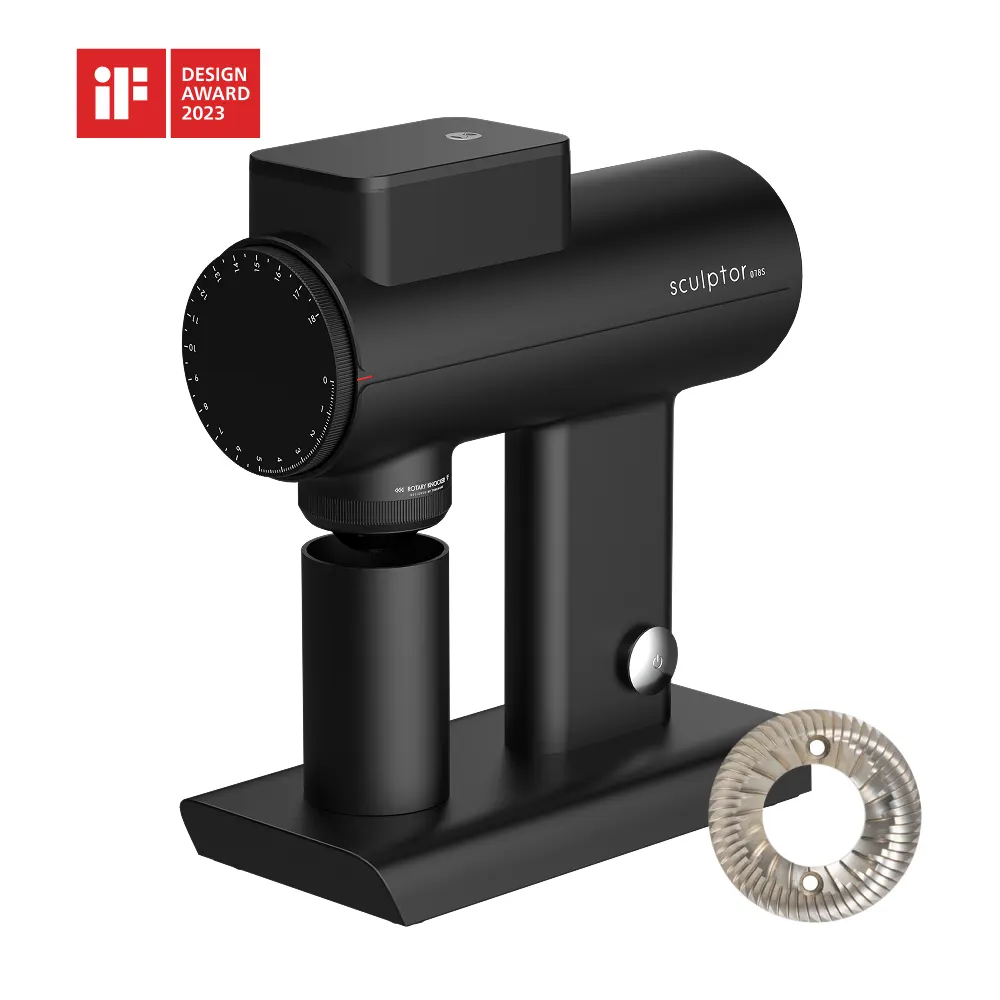
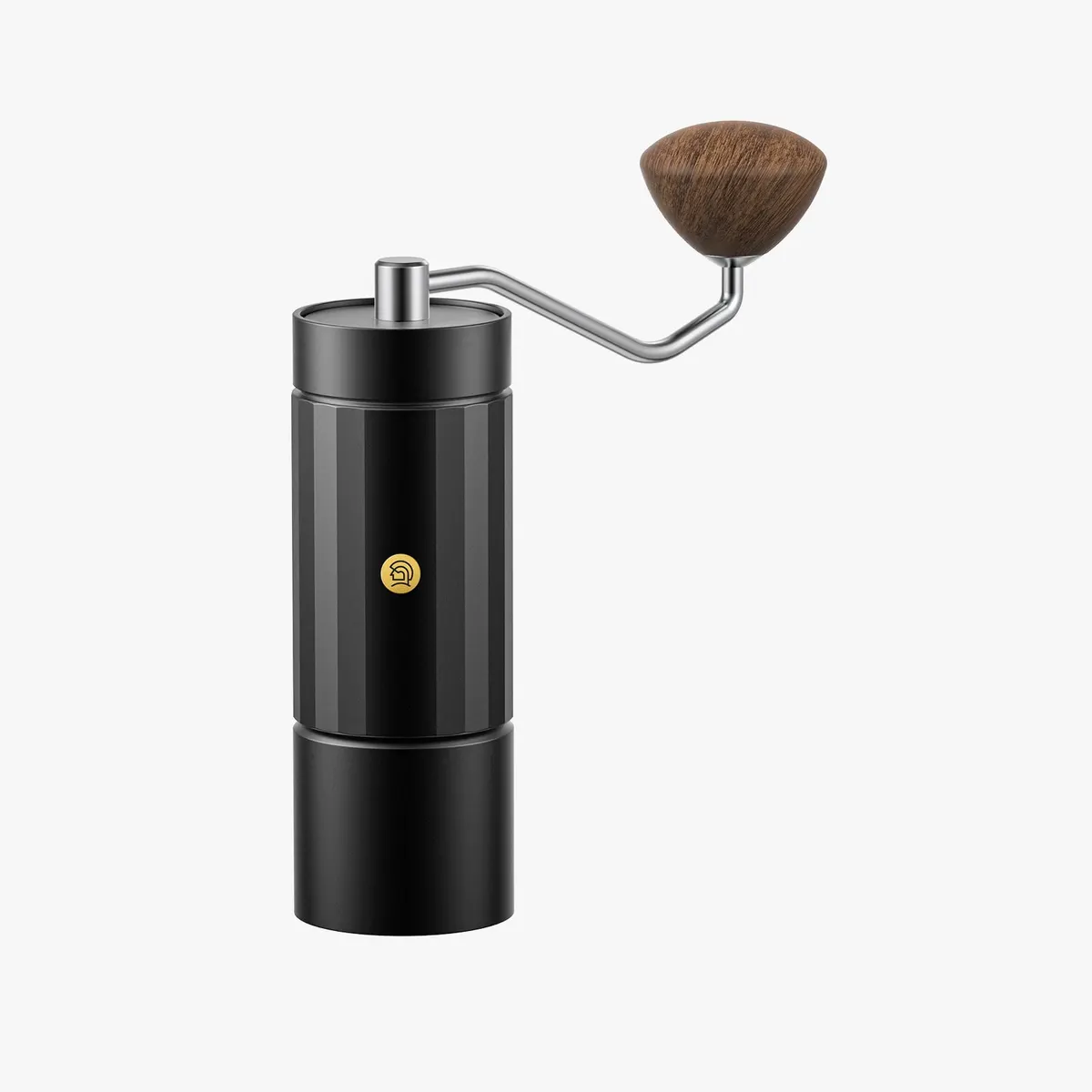
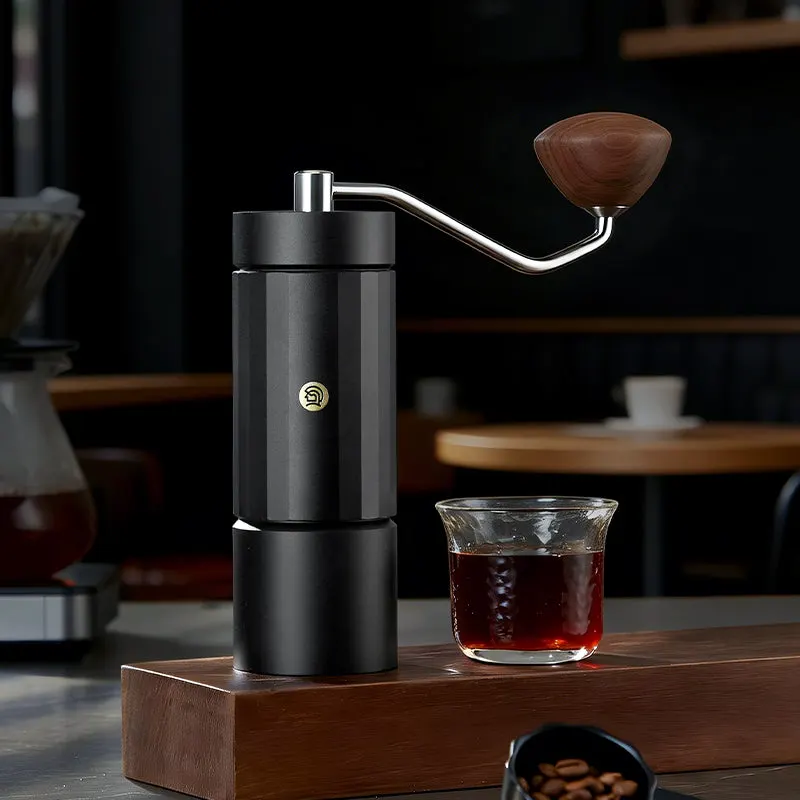
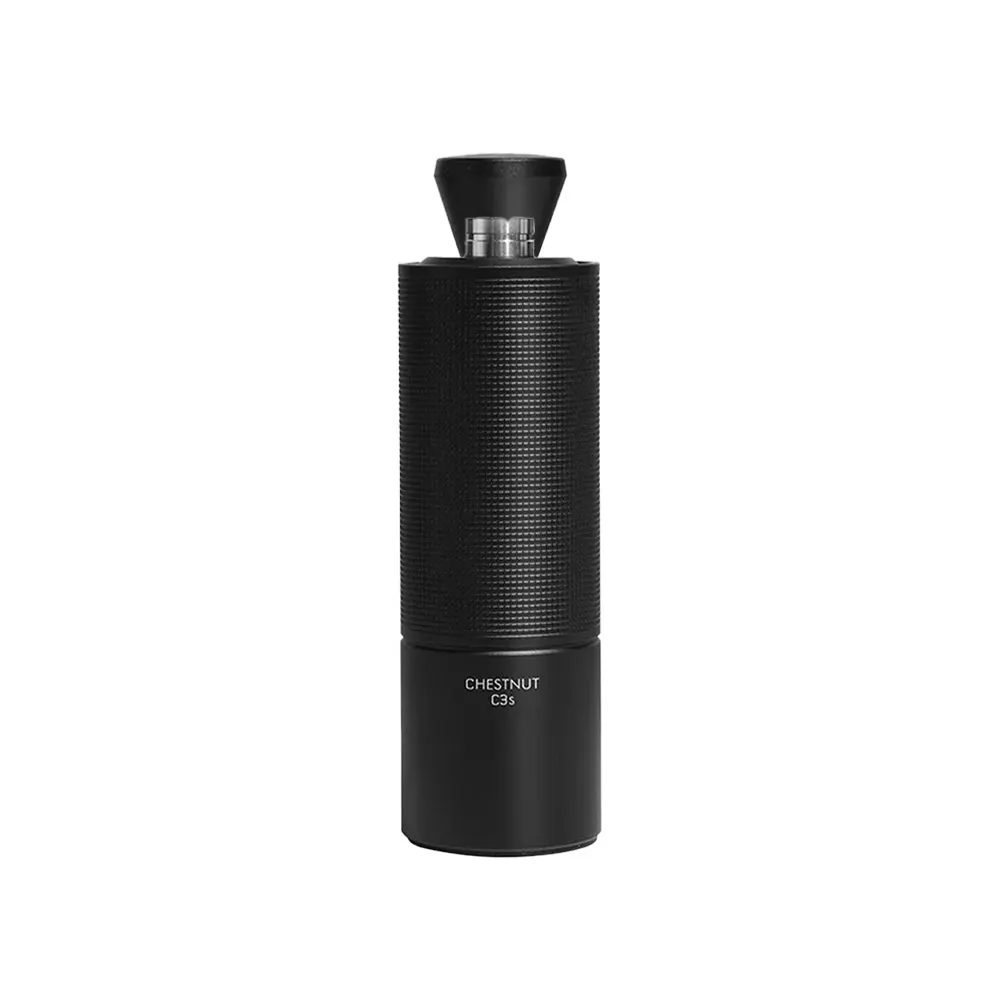
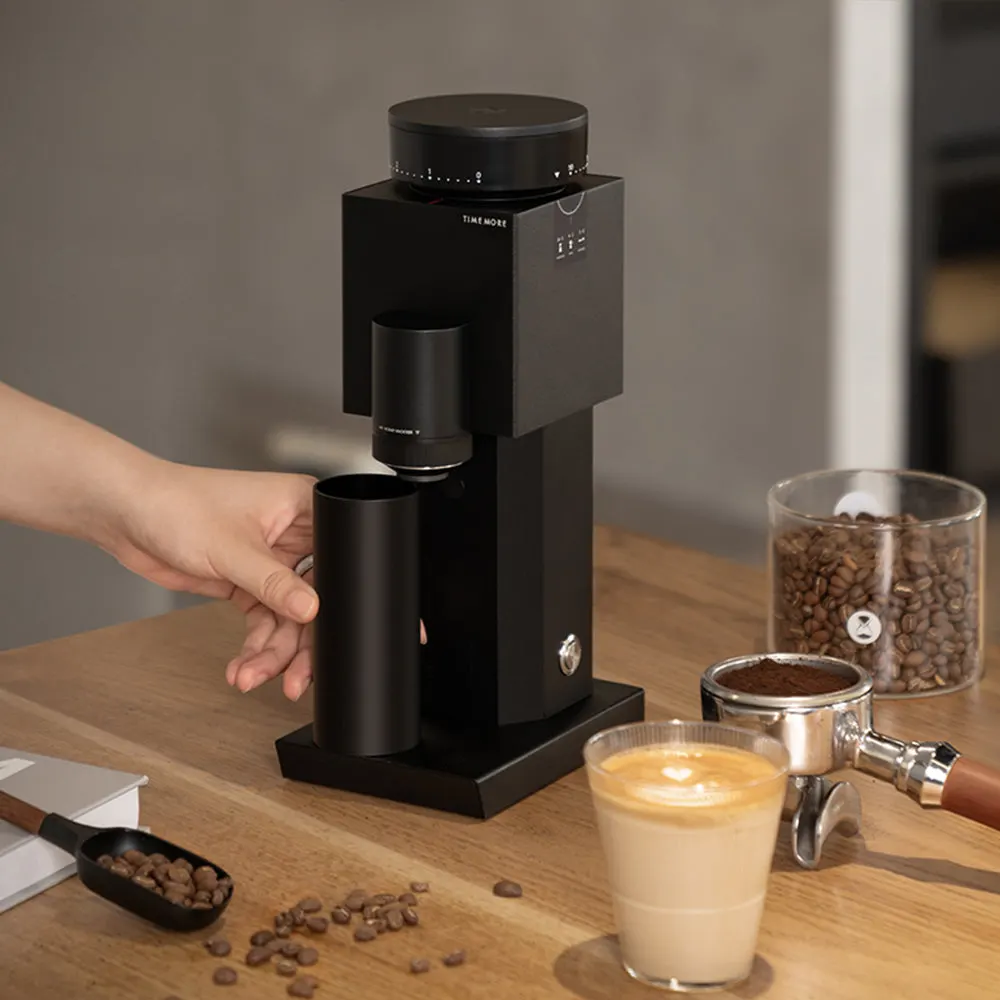
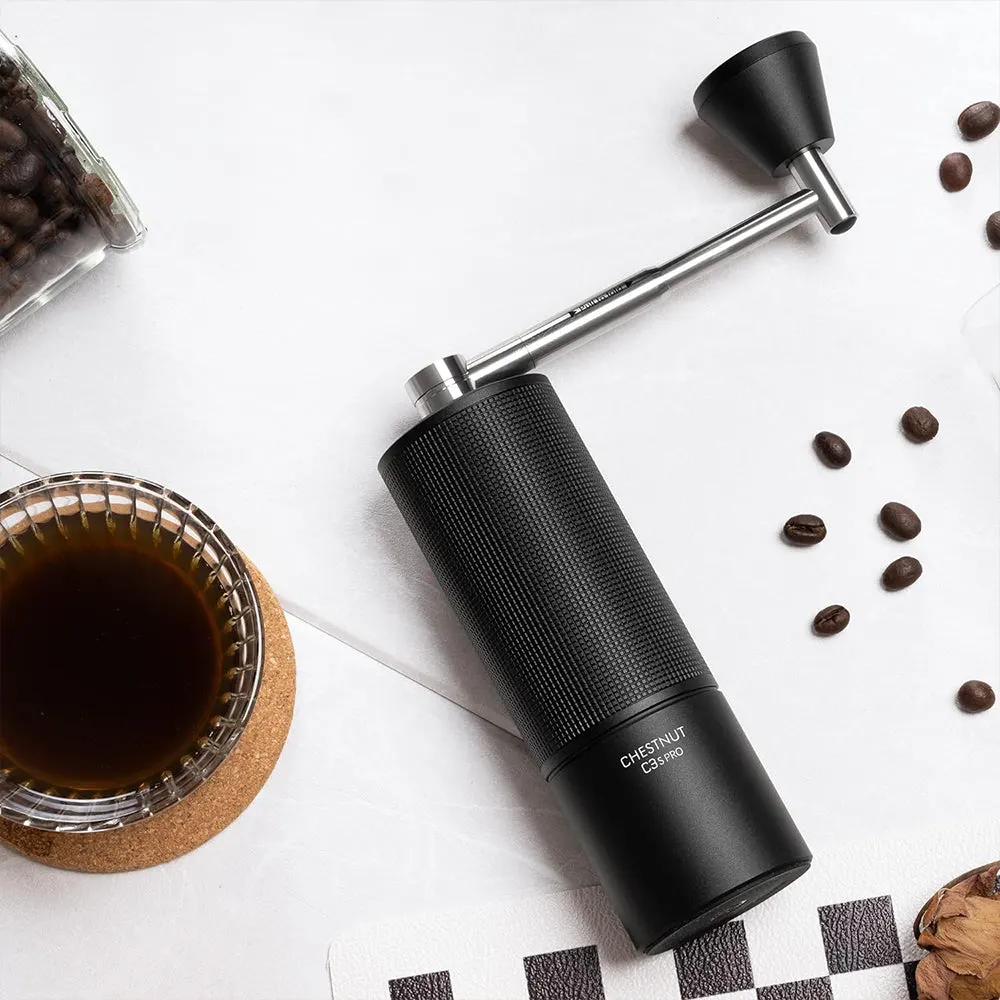
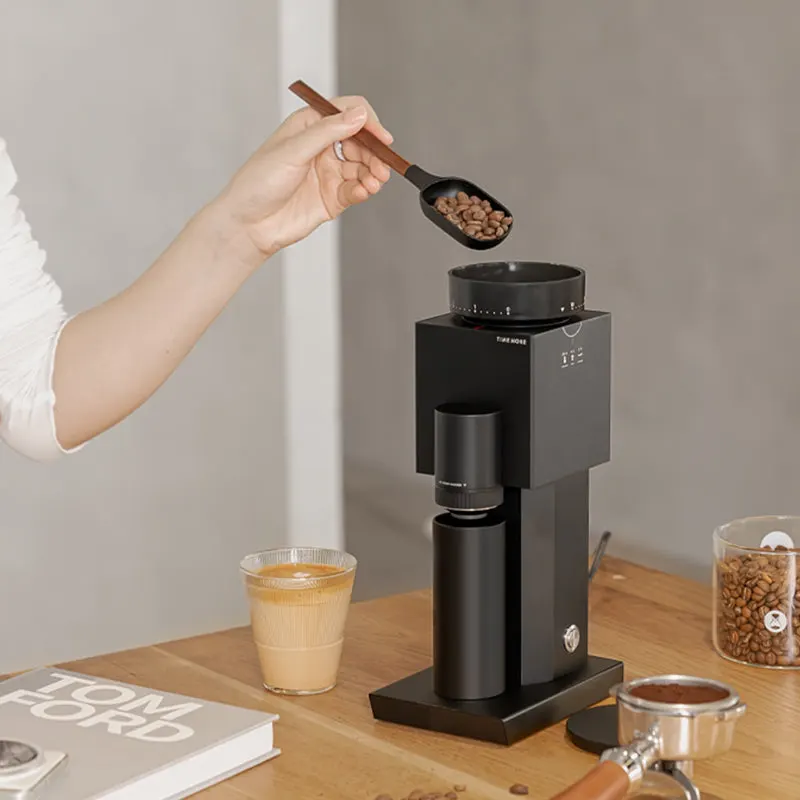
A hand grinder is compact, quiet, needs no power and is good value for the quality, which suits one or two cups a day, travel and pour-over. An electric grinder is faster and easier on your wrist, which matters if you make several drinks in a row or grind for espresso every morning. In our range, Timemore and ZeroHero make hand grinders, while Timemore and Wendougee make electric ones.
What will you brew?
Espresso asks the most of a grinder: it needs a very fine grind and small, repeatable adjustments. Pour-over and immersion brewing, such as a French press, are more forgiving and work well with a wider range of grinders. If espresso is your goal, look for a grinder built for it and be ready to spend more.
With espresso, a tiny change in grind size can turn a good shot into a bad one.
Before you buy
- Is it easy to open, clean and adjust?
- Can you get spare parts?
- Is the adjustment fine enough for the drinks you make?
A grinder you can open up and maintain will last much longer. If you are unsure which one suits you, message us with how you brew and your budget, and we will point you to the right one.