In short
- Pour-over costs less to start and is forgiving while you learn.
- Espresso costs more and takes more practice, but suits milk drinks.
- Whichever you choose, put money into the grinder first.
Two ways to brew
Pour-over and espresso are both good ways to make coffee, but they ask for different equipment, different amounts of money and different amounts of practice. It helps to decide which you want before you buy anything.
| Pour-over | Espresso | |
|---|---|---|
| You need | Dripper, filters, gooseneck kettle, scale, grinder | Espresso machine, espresso grinder, tamper, scale |
| Cost to start | Lower | Higher |
| The cup | Clean and light | Strong and concentrated |
| Practice | Forgiving while you learn | More practice to get shots you like |
Pour-over
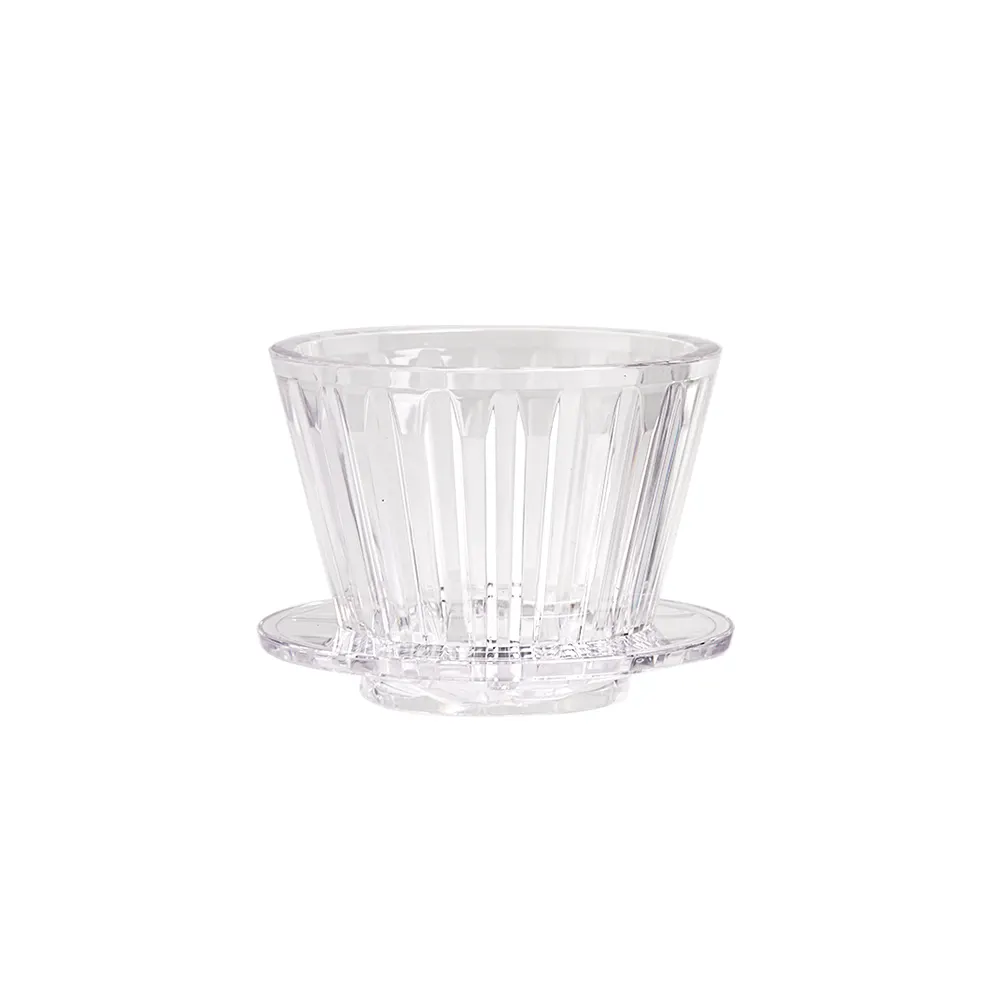
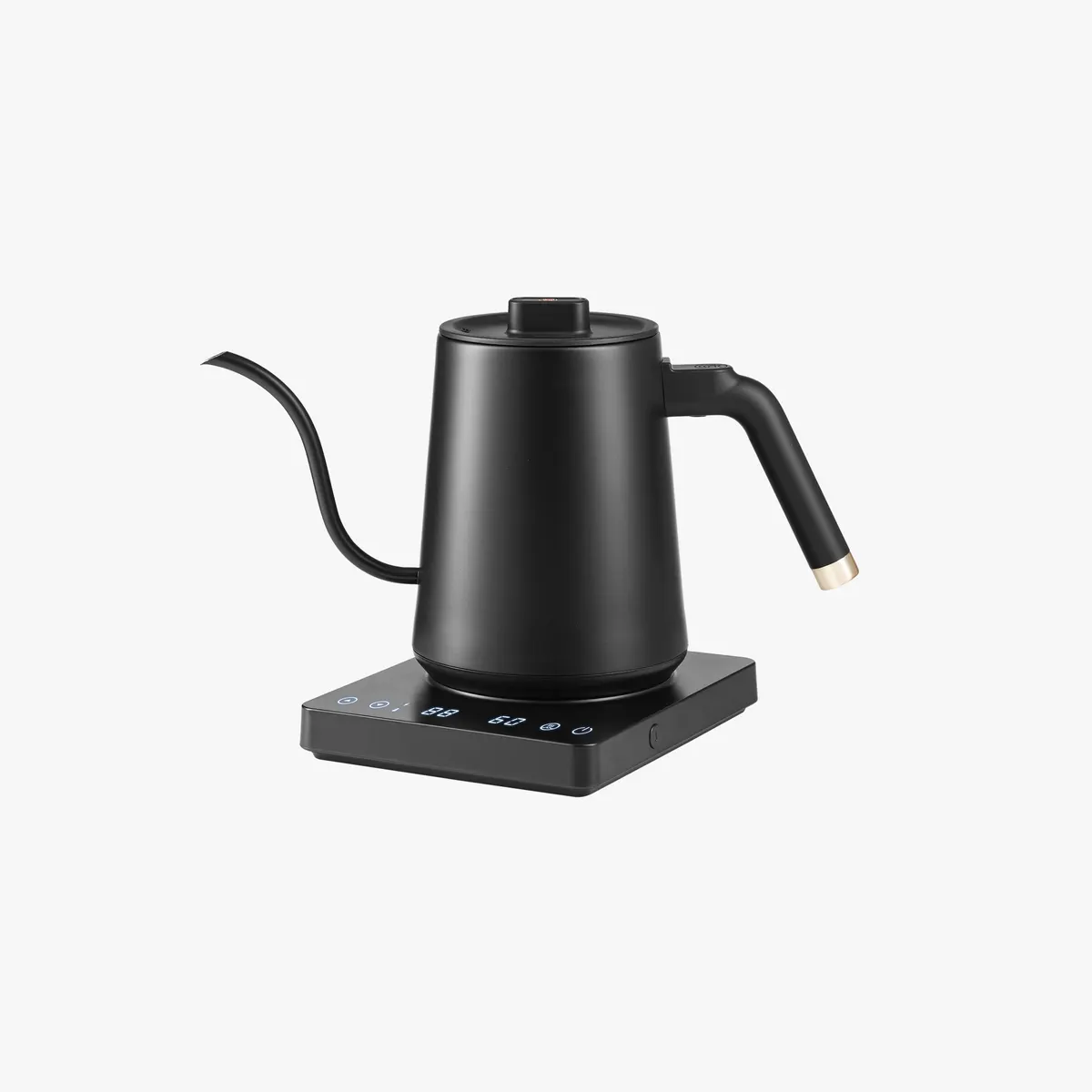
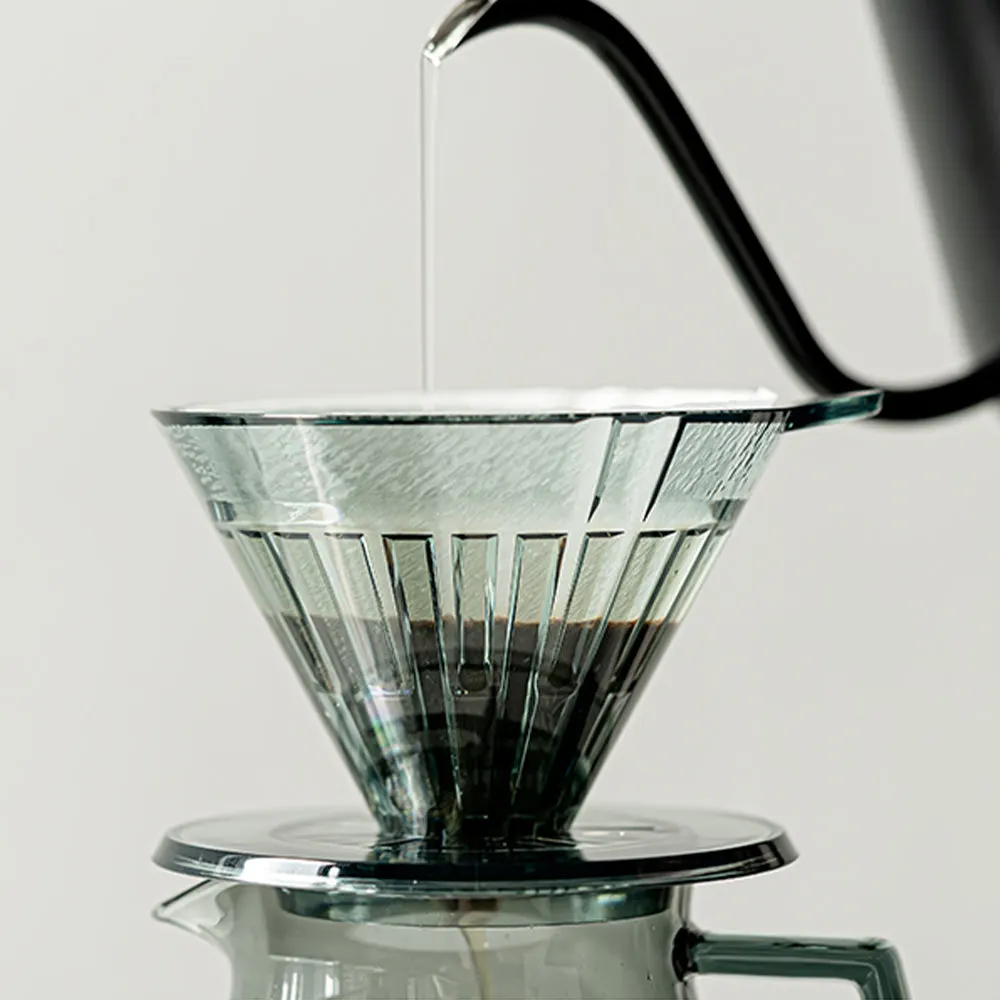
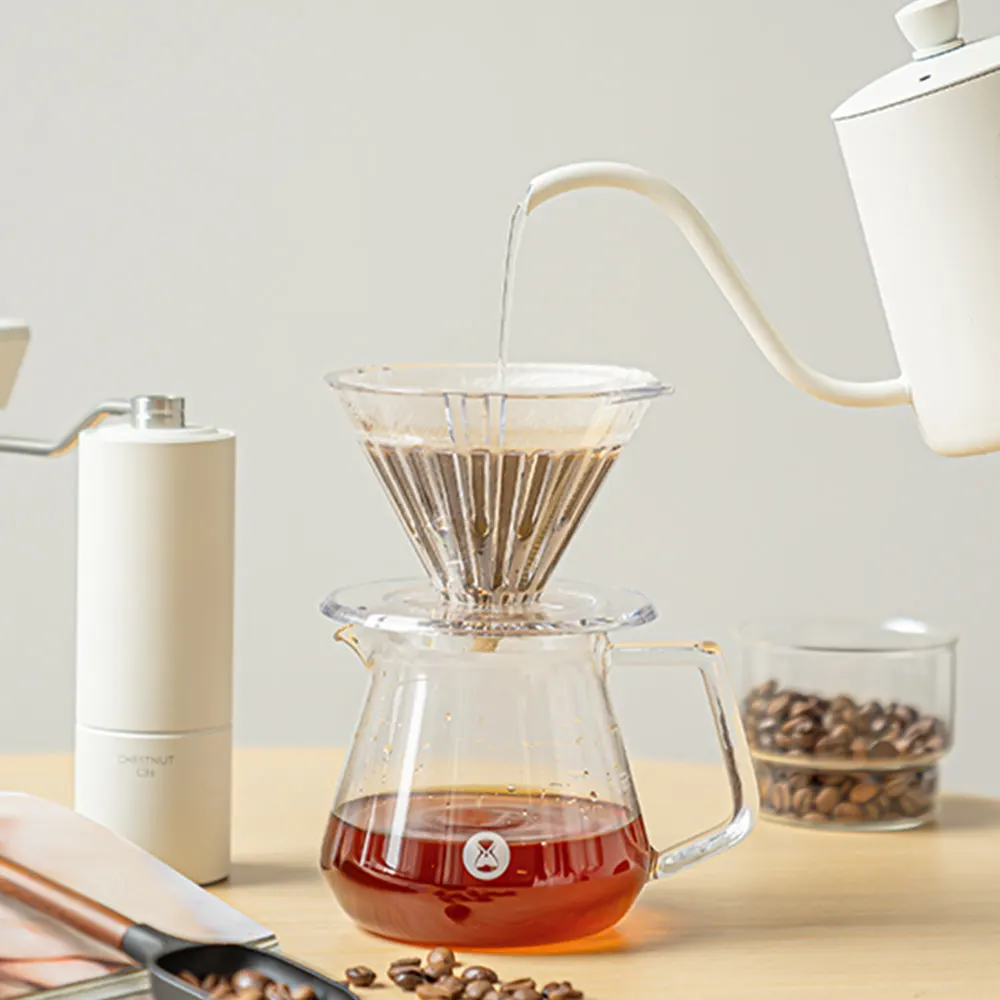
Pour-over needs very little: a dripper, paper filters, a kettle with a narrow spout, a scale and a grinder. The brewer itself is inexpensive, so most of your budget can go into the grinder. It makes a clean, light cup and is forgiving while you learn. Timemore’s Crystal Eye drippers and ZeroHero’s kettles are examples from our range.
Espresso
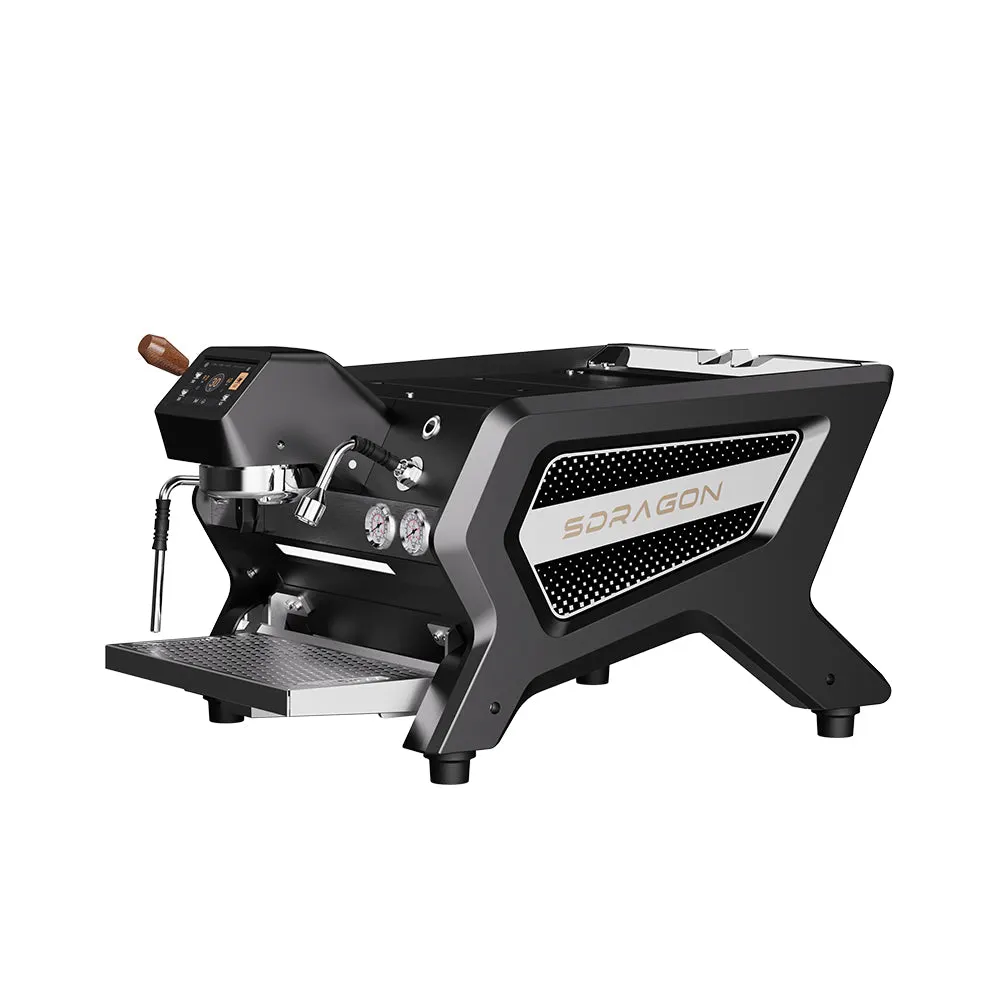
Espresso uses pressure to push hot water through finely ground coffee in about half a minute. It makes a strong, concentrated drink and is the base for milk drinks such as lattes and cappuccinos. It costs more, because you need an espresso machine and a grinder fine and consistent enough for espresso, and it takes more practice to get shots you like. Tools such as a tamper, a distribution tool and a good scale also help.
Which should you start with?
If you want a simple morning cup and a low starting cost, begin with pour-over. If you love milk drinks or the espresso itself, and you are happy to learn and spend more, start with espresso. You do not have to choose forever; many people end up with both.
Whichever you choose, put money into the grinder first.
If you are not sure, message us with your budget and what you like to drink, and we will suggest where to start.